
What I enjoy about Iceland is their pagan pre-Christian past that exhibits a world of magic and superstition. A world of Witches and Wizards that ruled with wisdom and sorcery. Many witches and neo-pagans today sport fashionable Grimoires that are home for their spells, elixirs and herbal magic. Many have had Grimoires passed down from one generation to the next, while others have personalized their own Grimoires. They range from fancy to very contemporary reflecting each witch’s personal flair.
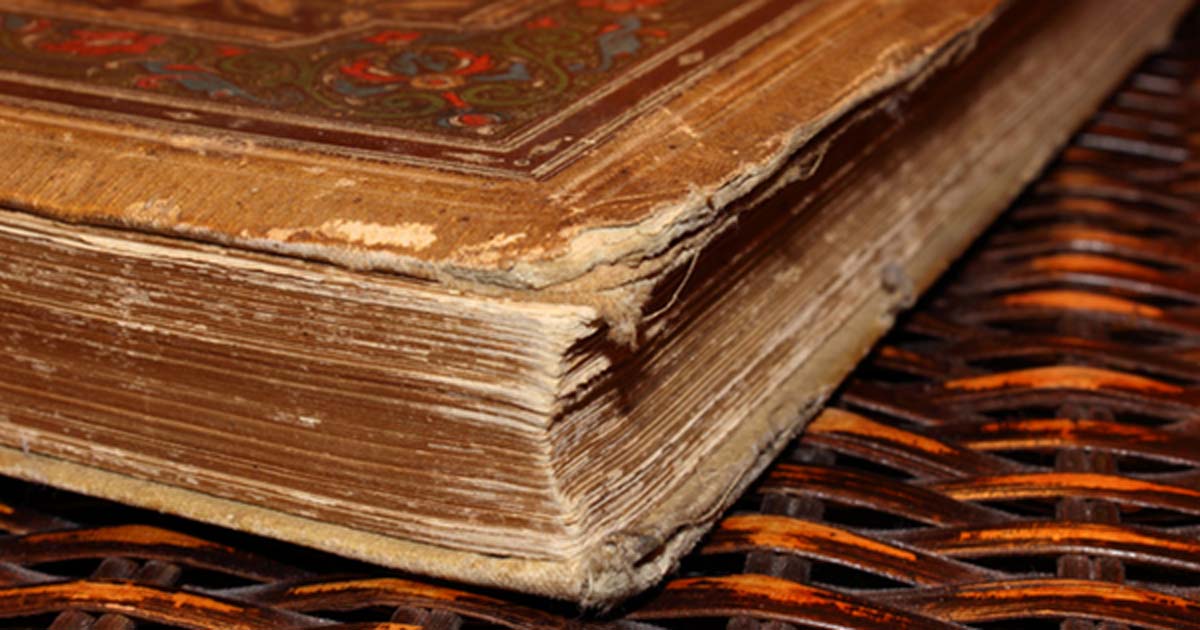
The Galdrabók (Icelandic Book of Magic) shown in above photo, is an old Icelandic grimoire written during the Reformation age in Iceland 1550 -1650. It was first translated to English by the former professor of runology, Dr. Stephen Flowers in 1989. According to Dr. Flowers, no other document of comparable age gives so many details about the archaic Germanic gods, cosmology, and magical practices, as does this manuscript.
Supernatural Signs and Runes
Dr. Flowers reports that The Galdrabók exhibits two core graphic features in its spells: galdramyndir which are magical signs that may or may not have runic origins. The other is runic signs. These runic signs were present in magical symbols such as a sigil. The other encoded runic deviation was called Villuletur or Villurunir, used as a way of hiding secrets instead of revealing a true meaning.

One of the book’s prominent features is its use of complex magical signs
A striking feature of the Iceland books of magic is their use of complex magical signs or staves. Most efforts at classifying these signs come from attempting to understand their relationships with the runes and their magical functions. There are three main types of signs used: the ‘ bandrúnir’, or binding runes, which are made up of combinations of runes; ‘ galdrastafir’, or magic staves, which were possibly binding runes but became so stylized that they adopted their own meaning; and ‘ galdramyndir’, or magic signs, which appeared to have always been nonionic abstract signs.
Codex Runicus, a codex written in Medieval runes ( public domain )

The Galdrabók is composed of two types of spells: first is a category of spells (8 in total) that work by means of a prayer formula, that allegedly will conjure superior spirits that supernaturally impacts the outcome.
The second category contains spells that work with the sorcerer’s will in formulas and signs that were spoken or written. Three spells in it are similar to a recipe or elixir, using essential elements that once combined created a wizardly outcome. This type of natural magic was discovered in “leech-books,” or Doctor’s manuals.
The Galdrabók’s enchantings are arranged into six sections of goals and supernatural ambition, the most popular ones are defensive formulas for the witch and spells that deliver good luck.
During this time, the heavy persecution of pagans speared by the RC Church forcing pagans to proselytize or burn at the stake actually caused the pagans to record their magical spells onto parchment, hence The Icelandic Galdrabók was created.
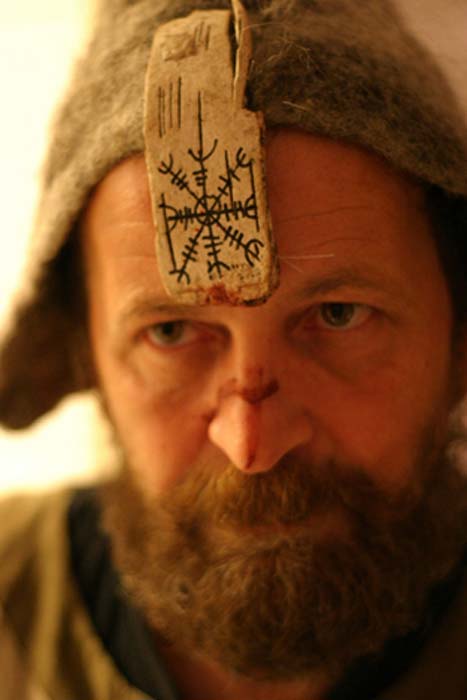
Above photo of A man dressed in traditional Icelandic clothing and a displaying the Ægishjálmr symbol, which can be found in the Galdrabok. Credit: Museum of Icelandic Sorcery and Witchcraft
Below photo of the Museum of Icelandic Sorcery and Witchcraft, Holmavik, Iceland.

Various herbs in the book were named after the Norse gods and goddesses such as Baldr’s brow and Frigg’s herb. These herbs were used in spell work.
The leek was known for magickal runic formula.
Icelandic Herbal healing stones were used to ward off disease.

Below Photo: Icelandic Runic healing stones were once used to ward off disease

Photo Below of Leek used in Herb Magick.
Sources and Resources:
Flowers, Stephen (1995). The Galdrabók: An Icelandic Book of Magic. ISBN 1885972431
 Nifty Buckles (Valerie Hopkins) Author of enchanted tales, folklore & magic • Once famously chased by vampire pumpkins. Brand Architect of The Darwind5 VAWT